
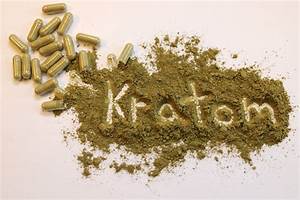
Introduction
Let's dive into the world of kratom, a fascinating plant that's been making waves for its potential health benefits. Whether you're curious about its origins, how it works, or what it can do for you, this article will cover it all. So, let's get started!
The Origins of Kratom
Historical Background Kratom, scientifically known as Mitragyna speciosa, hails from Southeast Asia. For centuries, locals in countries like Thailand, Malaysia, and Indonesia have used its leaves for their medicinal properties. They chewed the leaves for energy and pain relief, making it a staple in traditional practices.
Traditional Uses
Traditionally, kratom leaves were chewed fresh or dried, brewed into tea, or crushed into a powder. This versatile plant was an integral part of daily life for many, helping with everything from alleviating pain to boosting stamina during long working hours.
What Exactly Is Kratom?
The Kratom Plant
Kratom is a tropical evergreen tree in the coffee family. It can grow up to 80 feet tall and is known for its large, glossy leaves. These leaves are where all the magic happens, packed with potent compounds that interact with the body in unique ways.
Key Alkaloids in Kratom
The primary active compounds in kratom are alkaloids, with mitragynine and 7-hydroxymitragynine being the most notable. These alkaloids bind to opioid receptors in the brain, producing effects that range from pain relief to euphoria, depending on the dosage and strain.
How Kratom Works
Interaction with Brain Receptors Kratom's alkaloids interact with the brain's opioid receptors, much like morphine and other opioids, but with a unique twist. They can produce stimulating effects at lower doses and sedative effects at higher doses, offering a wide range of potential benefits.
Varieties and Strains
Kratom comes in various strains, primarily categorized by the color of the veins in the leaves: red, green, and white. Each strain has its unique profile of effects. For instance, red strains are often used for pain relief and relaxation, while white strains are more stimulating and energizing.
Benefits of Kratom
Pain Relief
One of the most popular uses of kratom is for pain management. Many users find that kratom provides significant relief from chronic pain conditions, often with fewer side effects than traditional pain medications.
Energy and Focus
At lower doses, kratom can act as a stimulant, boosting energy levels and enhancing focus. This makes it a popular choice for those needing a natural pick-me-up during the day, without the jittery side effects of caffeine.
Anxiety and Mood Enhancement
Kratom's calming effects can help reduce anxiety and improve mood. Many users report feeling more relaxed and at ease after taking kratom, making it a potential natural remedy for anxiety and stress.
Potential for Opioid Withdrawal Kratom has gained attention for its potential to help with opioid withdrawal symptoms. Its interaction with opioid receptors can ease the withdrawal process, providing relief from cravings and withdrawal symptoms for those trying to quit opioids.
Different Ways to Consume Kratom
Traditional Methods
In traditional settings, kratom leaves were chewed fresh or brewed into a tea. These methods are still popular today, providing a natural way to consume kratom without any processing.
Modern Consumption Forms Nowadays, kratom is available in various forms, including powders, capsules, extracts, and even gummies. This makes it more accessible and convenient for users, allowing them to choose the method that best suits their lifestyle and preferences.
Risks and Side Effects
Common Side Effects
Like any substance, kratom has its share of side effects. These can include nausea, dizziness, constipation, and dry mouth. It's essential to be aware of these potential issues and start with a low dose to see how your body reacts.
Understanding Dosage Finding the right kratom dosage is crucial for experiencing its benefits while minimizing side effects. Dosage can vary depending on factors like body weight, tolerance, and the desired effect. It's generally recommended to start low and slowly increase until the optimal dose is found.
Legal Status of Kratom
Global Perspective Kratom's legal status varies worldwide. In some countries, it's fully legal and widely used, while in others, it's banned or restricted. Staying informed about the legal status of kratom in your region is essential before considering its use.
Legal Landscape in the U.S. In the United States, kratom's legality is a patchwork of state laws. While it's legal at the federal level, several states have imposed their own restrictions. Always check your local regulations to ensure you're in compliance.
How to Choose Quality Kratom
Tips for Buying
When buying kratom, look for reputable vendors with positive reviews and transparent sourcing practices. This helps ensure you're getting a quality product that's free from contaminants and adulterants.
Recognizing Quality Products High-quality kratom should have a vibrant color, a fresh, earthy aroma, and a fine, consistent texture. Avoid products that look stale, have an off smell, or contain visible impurities.
Conclusion Kratom is a unique and versatile plant with a rich history and a wide range of potential benefits. Whether you're looking for pain relief, a natural energy boost, or help with anxiety, kratom might be worth exploring. As with any supplement, it's crucial to do your research and approach it with care and respect.
FAQs
Is Kratom Addictive?
While kratom can be habit-forming, it's generally considered less addictive than traditional opioids. However, it's still important to use it responsibly and be mindful of your dosage.
Can I Use Kratom for Anxiety?
Yes, many people use kratom to help manage anxiety. Its calming effects can provide relief, but it's essential to find the right strain and dosage that works for you.
What Is the Best Way to Take Kratom? There isn't a one-size-fits-all answer to this. Some prefer traditional methods like brewing tea, while others opt for modern forms like capsules or extracts. Experiment to find what suits you best.
How Much Kratom Should I Take?
Start with a low dose, around 1-2 grams, and gradually increase until you find your optimal dosage. Factors like body weight, tolerance, and the specific effects you're looking for will influence the right amount for you.
Is Kratom Legal in My State?
Kratom's legality varies by state. While it's legal at the federal level, some states have restrictions or outright bans. Check your local laws to ensure you comply with regulations.